

Apple’s Boon and Bane with China
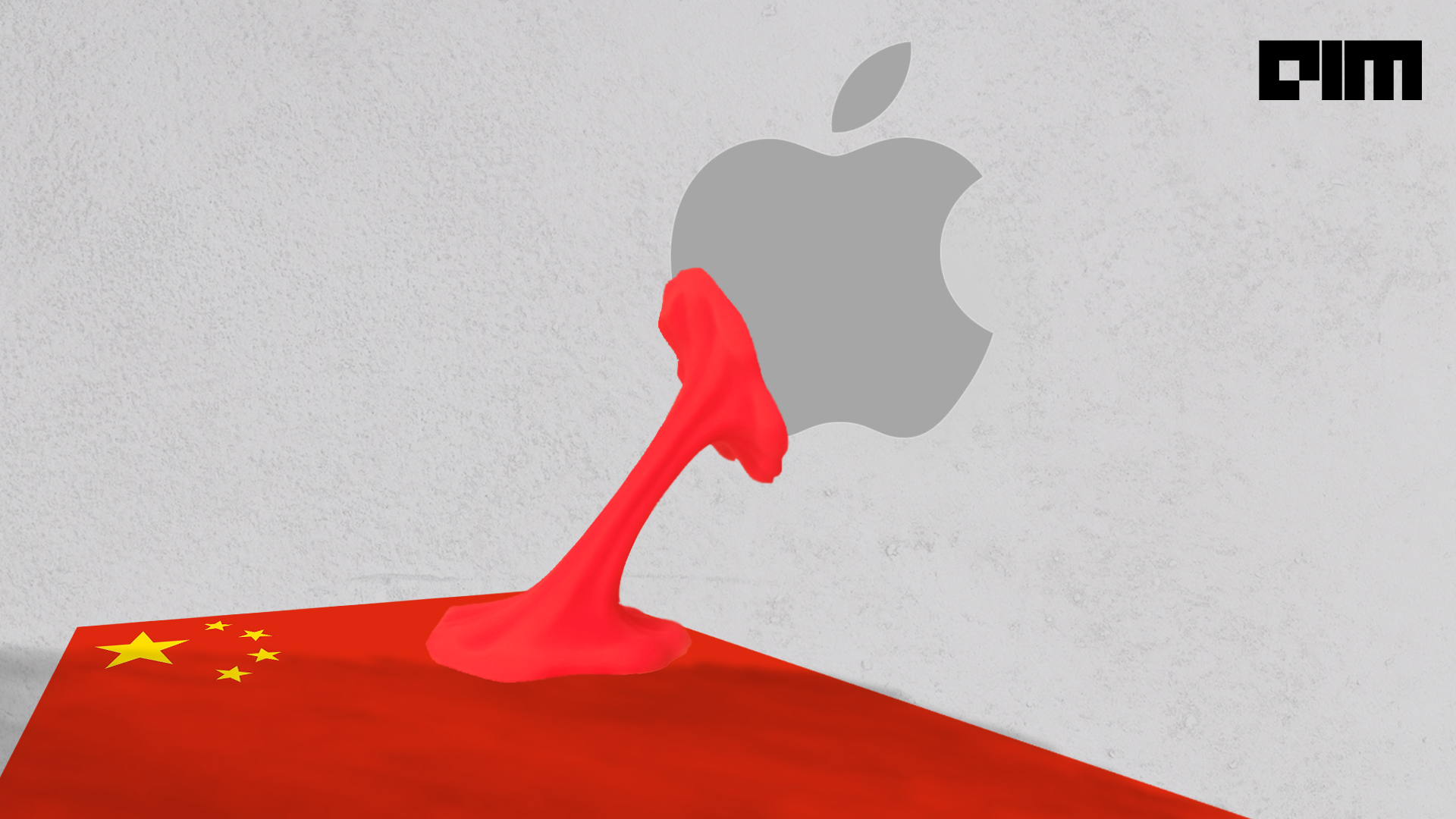
Apple seems indecisive with its approach of diversifying its production facility solely from China to other parts of the world. Initially, the US–China trade war—combined with the COVID-19 pandemic and geo-political tensions between the two nations—forced the tech giant to diversify its production line from China to Vietnam and India. But the recent decision of tying up with BOE (Beijing Oriental Electronics) for sourcing the iPhone SE4 screen has placed China at the centre stage for the tech giant.
The latest advancement comes amid the news of Apple working on its own display tech to lower the reliance on its main display maker—Samsung.
However, BOE has already reported facing problems such as light leakage from corners or edges with iPhone 15. At present, BOE is the developer of low-temperature polycrystalline silicon (LTPS) thin-film transistor (TFT) OLED panels for the standard and Plus models of iPhone 15.
In this context, taking the screen building business from Samsung and giving it back to the Chinese company only shows Apple’s compulsion.
China Unreliable
As Apple seeks to expand its global supply chain, it is becoming increasingly clear that China is becoming an unreliable partner. Despite being a key location for assembling iPhones and MacBooks, political risks such as US–China tariffs and the ever-present threat of further geopolitical upheaval have prompted Apple to shift its manufacturing focus elsewhere.
According to industry experts, this move away from China is part of a wider trend towards deglobalisation, with companies seeking to reduce their reliance on interdependent business units distributed throughout the world.
But it’s not only politics driving this change. The COVID-19 pandemic severely impacted global supply chains, prompting Apple to rethink its production plans. When the pandemic hit last year, Zhengzhou was temporarily shut down due to the Chinese government’s strict lockdown policies. The cost to Apple was reported to be as high as $1 billion per week.
Furthermore, China’s manufacturing hub is vulnerable to sudden shutdowns in the event of another pandemic or other disruptions, leaving Apple’s entire supply chain at risk. As a result, Apple is diversifying its manufacturing locations, with India and Vietnam quickly becoming viable alternatives due to their low-cost manufacturing locations and growing markets.
But, Irreplaceable?
While Apple may be reducing its reliance on China for product assembly, the reality is that the country remains an irreplaceable part of its supply chain. Despite potential political risks, such as US–China tariffs, China’s manufacturing prowess is unmatched and it continues to be a leader in producing high-quality tech products at scale.
According to Ming-Chi Kuo, an Apple analyst with financial services firm TF International Securities, China will likely remain the major assembly point for its own in-country Apple product sales, though not necessarily for global product supplies. Moreover, the country’s ability to attract and retain skilled workers—coupled with its vast network of parts suppliers—makes it a critical partner for Apple and other tech giants.
Furthermore, China’s well-established infrastructure and supply chain ecosystem provide significant advantages in terms of speed and efficiency, enabling Apple to quickly bring products to market and respond to changing consumer demands.
While Apple is looking to diversify its manufacturing locations to minimise geopolitical risk and reduce the impact of events such as COVID-19-related shutdowns, the indubitable reality is that China’s manufacturing capabilities cannot be easily replicated elsewhere.
Is there any hope for India?
While Apple was planning to diversify its business to other countries, India was one of the prominent countries to become a reliable supplier for the company.
Foxconn has claimed to have promised the Telangana government to set up a manufacturing facility at Kongara Kalan in the state.
Earlier, Piyush Goyal, India’s minister of commerce and industry, had also spoken about Apple ramping up manufacturing by 25% for all its iPhones in India. Last year, the company began assembling its flagship iPhone 14 in India, marking the first time it was producing its latest model in the country.
Though the China’s irreplaceability factor is imminent, India does provide a ray of hope for Apple in the coming future.
The post Apple’s Boon and Bane with China appeared first on Analytics India Magazine.