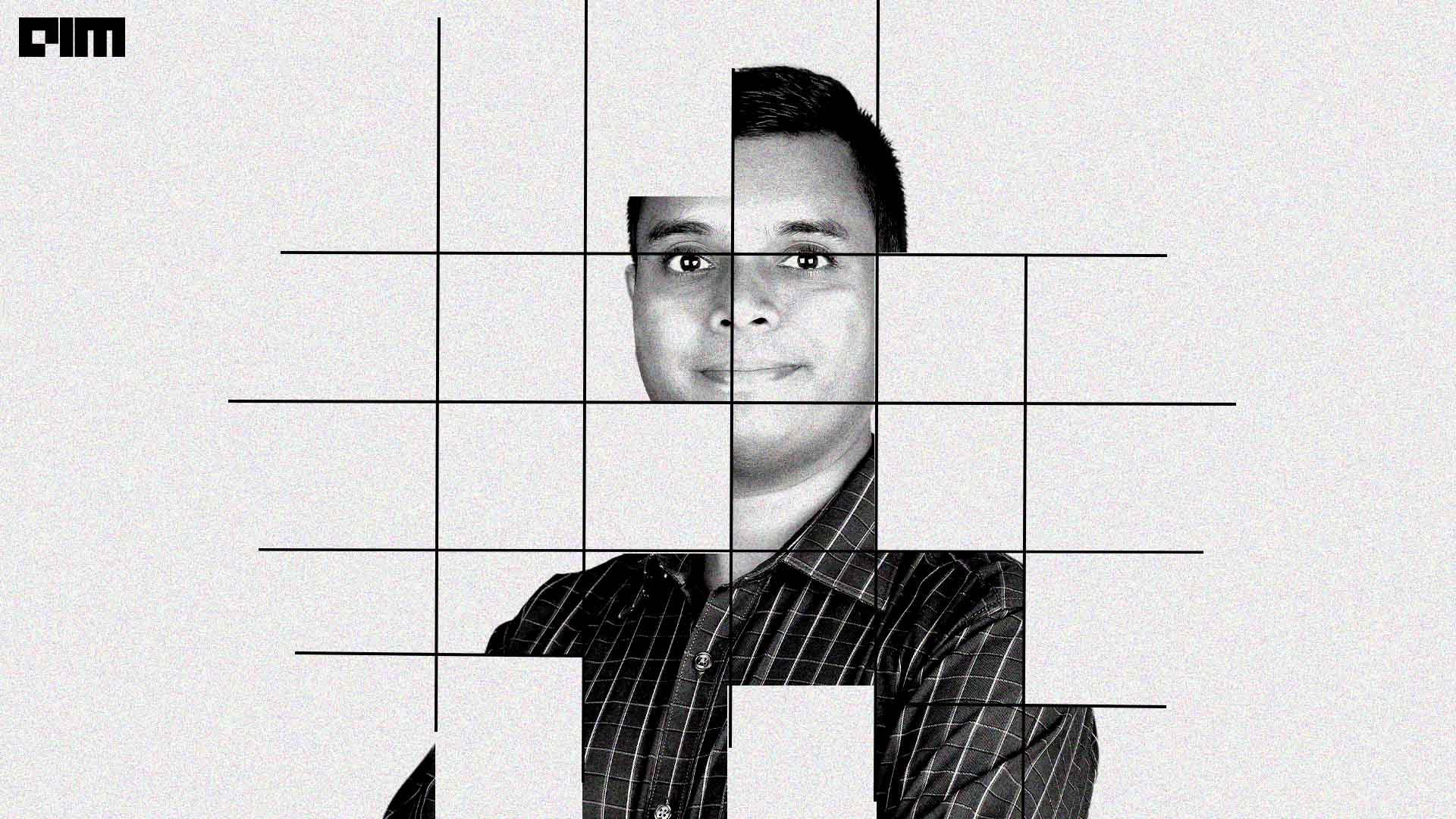

We want to be the torchbearer of SaaS-based healthcare technology in India: Punit Singh Soni, Suki AI

Studies have shown that 70 per cent of physicians say that they experience some level of burnout, the primary reason being the massive amounts of administrative work placed on them.
Suki AI, a leading technology startup that provides AI-powered voice solutions for healthcare, has found a solution for burdened doctors.
Suki delivers fast and accurate voice experiences through the Electronic Medical Record (EMR) system using the latest in natural language processing and machine learning. It can be called Siri or Alexa for healthcare documentation to lift the administrative burden from doctors.
Analytics India Magazine interacted with the founder & CEO of Suki AI, Punit Singh Soni, about his journey from chief product officer at Flipkart to launching his healthcare tech company.
AIM – How do AI voice solutions help the healthcare sector, especially during this pandemic?
Mr Soni – Physician burnout has been a long-standing issue. Studies have shown that physicians spend two hours on administrative tasks like clinical documentation, prescription paperwork, etc., for every hour they spend on patient care, leading to a huge physician burden. The Covid pandemic has greatly exacerbated the situation: caring for the influx of Covid patients adds even more pressure and stress, not to mention the corresponding clerical tasks that the physicians must complete. AI voice solutions can help alleviate some of the burdens from physicians. Voice is a natural and fast way to interact, and voice-enabling tools and solutions can help clinicians complete their tasks more quickly and easily.
One example is clinical digital assistants, akin to Siri or Alexa for healthcare. These digital assistants operate on voice commands and help clinicians with tedious, time-consuming activities like clinical documentation, diagnosis coding, or pulling information from the electronic health record (EHR). The most advanced digital assistants use the latest in AI techniques so they are highly accurate and easy to use – clinicians can speak naturally, without having to memorise rote commands, and the assistants can understand users’ intents and act upon them. These solutions have great potential to save clinicians significant time, reducing stress and enabling them to better focus on their patients.
AIM – Who is your target audience and competitors in the AI voice solution?
Mr Soni – Our target audience is healthcare providers, including doctors, nurses, hospitals, clinics etc. We aspire to help every clinician who is overburdened with clerical tasks. Suki Assistant is used in over 100 health systems and clinics today. We serve clinicians in over three dozen specialities, including family medicine, orthopaedic surgery, OB/Gyn, plastic surgery, and gastroenterology.
Our main competitors are traditional voice-to-text companies that transcribe speech. While Suki has this capability, we do more than just dictation – we can help with other administrative tasks, like diagnosis coding and pulling information, like patient medications, from the electronic health record.
AIM – What are Suki’s offerings in terms of reduced documentation, cutting edge technology and sustainability?
Mr Soni – Suki Assistant uses the latest in AI and voice technologies so physicians can speak naturally to complete their administrative tasks, from clinical documentation to diagnosis coding to retrieving information from the EHR. Suki harnesses advanced NLP, ML algorithms and architecture to deliver accurate documentation for the physicians. Providers can use a variety of voice commands to complete clinical documentation elements, personalise the voice-enabled experience, and streamline workflows. Suki also offers its proprietary voice platform, Suki Speech Platform, to partners that wish to create a best-in-class voice experience for their solutions, such as electronic medical records. Such functionality is critical given healthcare technology solutions are increasingly looking at voice to improve user experience.
AIM – How is Suki educating the medical fraternity on using health tech to focus more on clinical job?
Mr Soni – To build great solutions in healthcare, we must understand the issues and challenges our users face. The culture of clinicians is very different from technologists, so building understanding and empathy between these two constituencies is an essential part of how Suki operates. We have doctors as part of our team, helping design and build the product. These clinicians have an intimate understanding of our users’ challenges, so having their input and leadership is critical to building a product our users love.
AIM – What is your roadmap for India and the new India centre?
Mr Soni – At Suki, we want to build for the future of health systems and emerge as the torchbearer of the country’s still-nascent SaaS-based healthcare technology space. We want to help establish India as a global hub for solving the world’s biggest and most complex healthcare challenges. With world-class mentors and industry professionals, we are looking for great tech talent who can learn and build at a global scale, which in return will encourage India’s tech talent to venture into healthcare technology as a space to build the best products.
On the road ahead, we will dramatically expand our user base of health systems and medical groups, advance the AI capabilities of our product, and add new features that streamline documentation, coding, billing, and other administrative tasks for clinicians.
AIM – What is your take on the government’s efforts in healthcare sector digitisation?
Mr Soni – Data access and interoperability are key to driving digital transformation in healthcare. AI solutions need large amounts of data to work, so making this information accessible, securely and privately, is essential. In the US, healthcare data is stored in a highly fragmented way, in systems with varying interoperability levels. This is a significant challenge, because their technology stacks constrain your ability to serve your customers. We applaud the healthcare initiatives recently announced by the Indian government, including the Ayushman Bharat Digital Mission, which intends to roll out a digital health record for each Indian citizen. Having a robust infrastructure for healthcare data establishes a strong foundation for technology innovation in the industry.
AIM – How will you utilise the recently raised funds in Series C round?
Mr Soni – We have recently raised Series C funding of $55 million, led by March Capital, with additional support from Philips Ventures and all previous investors, including Venrock, Flare Capital, Breyer Capital, and Health Ventures. We want to expand our business in India in 2022 with the funds, where we have set up an office and hired top product and engineering talent in the country.
We will use this funding to make strategic investments that will expand its user base through new and existing partnerships with leading health systems and medical groups while bolstering employee growth and development.